January 8, 2026

Throughout 2025, RealityMine® tracked consumer behavior and brought you shifts that signal fundamental changes in how people discover, evaluate, and purchase products. While many patterns emerged gradually across seasonal events, others appeared seemingly overnight as AI integration accelerated. Here are five key trends from our behavioral data last year—and what they reveal about the landscape brands will navigate in 2026.
Perhaps the most consistent finding across our 2025 analyses: consumers using ChatGPT before shopping behave differently than those coming from traditional channels.
By Prime Big Deal Days in October, we observed early signals—when ChatGPT appeared in the 30 minutes before an Amazon visit, conversion rates reached 9.4% compared to a 7.1% baseline. ChatGPT usage among Amazon shoppers had already increased fivefold year-over-year during October Prime Big Deal Days, from 1.8% to 9.1% compared to 2024.
These patterns strengthened during Black Friday. Shoppers coming from ChatGPT converted to Amazon purchases at 1.7 times the rate of those coming from Google (12% versus 7%), with an 11% higher average order value. They stayed 46% longer on Amazon and viewed an average of five products compared to three for Google transitions.
The volume remains small but growing rapidly, and industry observers are taking notice. Walmart's recent partnership with OpenAI to enable purchasing through ChatGPT, announced in late 2025, reflects growing recognition that generative AI represents a meaningful channel for consumer commerce, not just experimentation.
GenAI users aren't just browsing—they're researching with intent. While adoption is still early stage, brands should monitor this channel closely and begin testing strategies for AI-driven discovery. Focus on becoming a trusted data source that AI platforms rank highly in their responses, and track how ChatGPT referrals perform compared to traditional search and social channels.
As suspected, special occasions disrupt normal shopping routines. During Black Friday weekend, consumers visited more retailers than ever with the typical shopper visiting three online retailers, up from two the previous year. Notably, 38% explored long-tail retailers outside the top 50 most-visited sites, up from 33% in 2024.
32% increase in Black Friday average order value on Amazon + 38% of shoppers explored long-tail retailers
This wasn't purely about deal-hunting. Order values increased even as consumers spread their attention wider. Black Friday average order value on Amazon jumped 32% to $32.37 compared to early November baselines, driven by shifts toward electronics, toys, and beauty categories rather than routine purchases.
When looking at our QSR food-delivery data, Thanksgiving revealed similar patterns of occasion-specific behavior. Despite overall delivery-order volume dropping 33% on the holiday itself, order value rose 10% to $31.78. Nearly a quarter of Thanksgiving orders came from customers who hadn't ordered delivery at all during the previous month—light users solving specific needs rather than habitual delivery customers.
Research from Impact Partnership supports this broader trend, finding that three-quarters of consumers now start holiday shopping before mid-November, spreading high-intent purchasing across extended periods rather than concentrating solely on traditional peak days.
Brands should increase advertising spend and promotional activity during high-spend moments beyond traditional sales periods. Track when your customers enter "treat mode"—payday weekends, tax refund periods, seasonal transitions, bonus cycles, product launch windows—whenever consumers demonstrate similar exploration behavior and reduced price sensitivity. Electronics, beauty, and toys see the largest lifts during these periods, making them leading indicators of hedonic spending year-round.
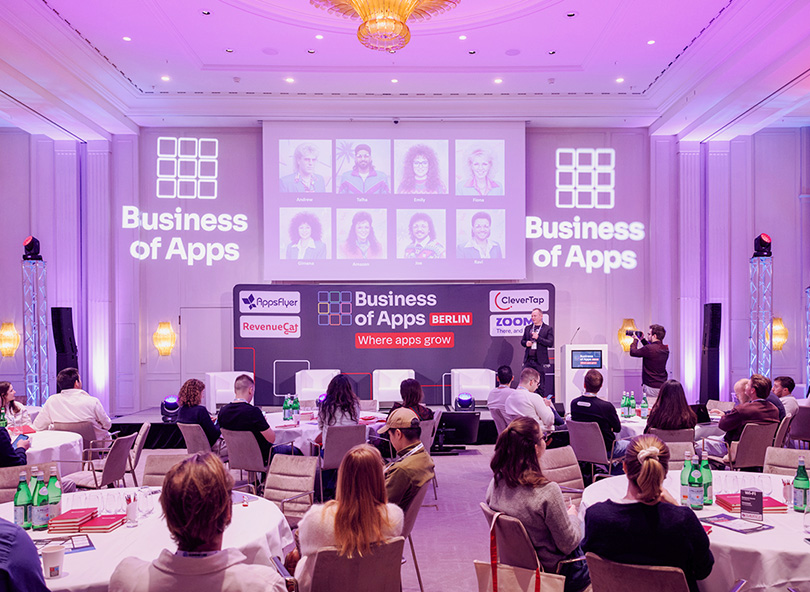
These shifting consumer patterns aren't happening in isolation. At Business of Apps Berlin in November, we heard remarkably consistent themes across Q-commerce, online travel, and mobile gaming: demographic targeting no longer sufficiently predicts user intent or lifetime value.
"Flink runs entirely different app experiences for distinct behavioral segments: convenience maximizers, loyalists, category explorers, and mission shoppers."
Flink, one of the few profitable players in quick commerce, exemplifies this approach. Their retention strategy relies on behavioral profiling that distinguishes convenience maximizers (who value speed above price), loyalists (who stick to one platform out of habit), category explorers (who treat the app as a discovery tool), and mission shoppers (who arrive with specific items in mind). They run entirely different app experiences for these segments and quantify lifetime value based on behavioral signals rather than age, location, or traditional demographics.
In an environment where AI can shift consumer behavior overnight, thin-margin businesses can't afford to spend weeks learning about users. Multiple conference speakers emphasized this urgency: rapid behavioral classification—understanding user intent within days, not weeks—has become essential to deliver appropriate experiences before competitors do.
First-party behavioral data becomes essential infrastructure, not just analytics. Apps need systems to quickly classify user intent and personalize experiences from day one, particularly in competitive categories where acquisition costs continue rising. The advantage goes to teams who can identify high-value behavioral segments within days and deliver tailored experiences before competitors do.
As AI becomes part of the shopping journey, trust shifts from brand messaging to how reliably platforms present information. Consumers arriving from ChatGPT show higher intent, but that intent is shaped by how confidently AI surfaces recommendations.
This makes data accuracy, transparency, and credible sourcing more important than ever. Brands that appear consistently across trusted AI responses—and align with what users actually experience—are more likely to earn consideration and conversion. In contrast, gaps between brand claims and real user outcomes can weaken trust quickly in AI-led journeys.
Brands need to focus on being a reliable source of truth across platforms. Clear product information, consistent messaging, and alignment with real user behavior will influence how AI systems represent the brand—and how consumers respond.
Our analysis of Netflix and Spotify usage patterns revealed distinct behavioral contexts despite 38% user overlap. Spotify listening peaks around midday and integrates into daily routines—one in three dual users open Spotify daily or nearly daily. Netflix peaks in the evening with far lower frequency—just one in 10 open daily.
This timing difference reveals something crucial: when and why users engage matters as much as features themselves. Entertainment platforms that seem similar often serve entirely different moments. Spotify facilitates multitasking during active parts of the day, while Netflix requires focused attention during deliberate relaxation periods. Netflix's move to add video podcasts through their Spotify partnership faces the challenge of creating new contextual triggers, as users don't currently associate the platform with morning commutes or background listening.
This context challenge extends beyond entertainment. At Business of Apps Berlin, online travel executives discussed how large language models (LLMs) are shifting where users begin travel planning—starting in AI assistants rather than going directly to booking platforms. Competition now extends beyond traditional category boundaries, with apps competing for where users initially turn to solve problems.
Competitive intelligence requires understanding the complete user journey across platforms, not just performance within your own ecosystem. Success depends on identifying the invisible boundaries in how users mentally categorize different apps and the specific occasions that trigger their use. Cross-platform strategies succeed when they create new contextual triggers, not just port existing features to new platforms.
The velocity of change in the app economy has accelerated dramatically. Apps like Shein and Temu captured significant market share within months. AI features changed consumer behavior patterns between seasonal events. In this environment, quarterly competitive reviews prove too slow to spot threats and opportunities while there's still time to respond strategically.
Industry research reinforces this urgency. Data shows that 51% of consumers were shown a Google AI search overview in Chrome last month, fundamentally changing how people access information.Platform-integrated AI appears across social media, productivity tools, and messaging apps, creating entirely new consumer behaviors overnight—behaviors that don't show up in first-party analytics until they've already impacted market share.
The average smartphone user now has between 250 and 650 app interactions daily, each lasting nine seconds to two minutes, moving effortlessly from YouTube to TikTok to ChatGPT to Walmart in just a click. Most apps see only what happens within their own walls, missing the 70-80% of user time spent elsewhere.
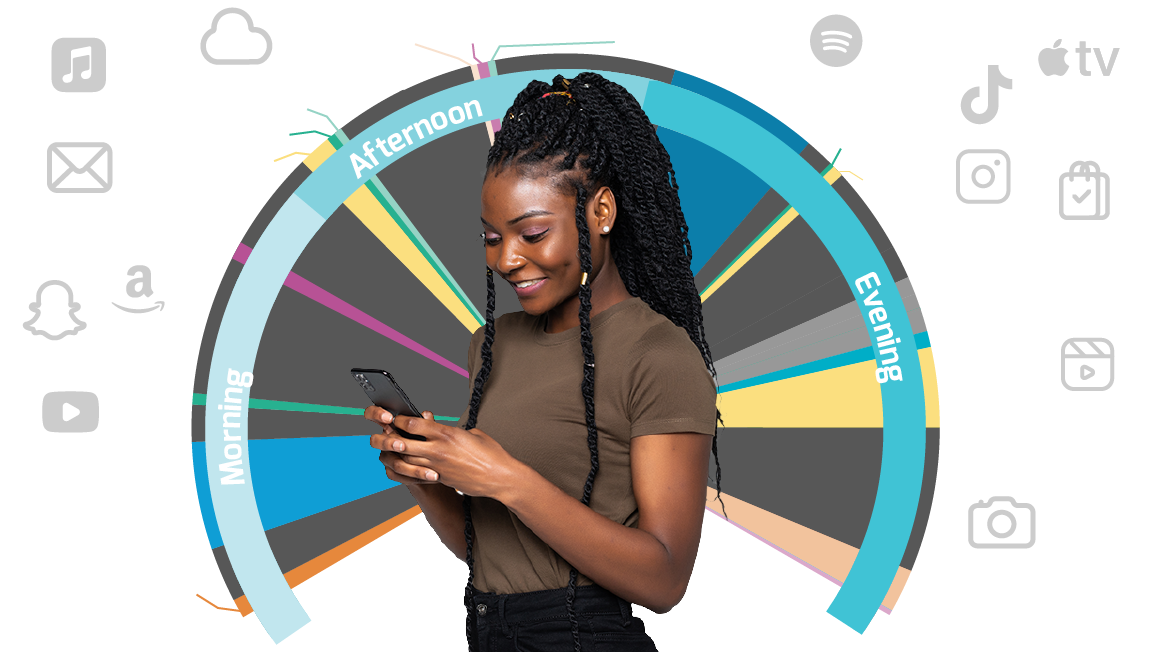
Competitive advantage in 2026 requires continuous behavioral intelligence across the mobile ecosystem, not just within your platform. Start with weekly competitive dashboards tracking feature releases, usage spikes, and cross-platform journey patterns in your category. Organizations need visibility into emerging competitors, AI integration impacts, and shifting user behaviors in real time—monthly or quarterly reviews won't catch threats fast enough.
The shifts observed in 2025 require operational changes, not just awareness. Brands need to translate these signals into how they measure, test, and act.
Start by treating AI-driven journeys as a distinct channel. Track how users from platforms like ChatGPT behave, convert, and differ from search or social traffic. This will help identify where high-intent users are entering the funnel.
At the same time, invest in faster behavioral feedback loops. Move beyond static segments and build the ability to classify user intent early, using real interactions rather than assumptions.
Finally, expand measurement beyond owned platforms. Understanding where journeys begin and how users move across apps will be critical to identifying emerging opportunities before they scale.
The patterns we tracked throughout 2025 point toward a consumer landscape that rewards speed, context awareness, and behavioral intelligence over traditional advantages. Brands that will thrive combine strong first-party data with genuine visibility into consumer behavior across the entire app ecosystem.
The question isn't whether your category will experience AI-driven disruption or new competitive threats from unexpected sources. The question is whether you'll see these shifts early enough to respond strategically rather than reactively.


Featured